
Liberian Studies Association
55th Annual Conference
The Liberian Studies Association is a non-profit, scholarly organization that provides a means for effective cooperation among persons interested in furthering research in all scholarly disciplines on topics relevant to the Republic of Liberia.
“To the question why study Liberia, or why a forum devoted to the study of Liberia, the answer inevitably is two-fold: one, to serve the end of disinterested pursuit and advancement of knowledge, and two, to serve the end of development of the nation and people of Liberia.”
– D. Elwood Dunn

about Liberian studies association
Since 1968, our goal has been to advance scholarship for service and development in Liberia.
Our mission is to facilitate and promote high-quality research and scholarship that contribute to a deeper understanding of Liberia’s rich cultural heritage, history, and contemporary issues.
Join us in working together to advance knowledge for service and development.
Promoting Research Excellence
We support and facilitate cutting-edge research to enhance the understanding and development of Liberia and its surrounding regions.
Fostering Academic Collaboration
We create opportunities for scholars to collaborate and share knowledge, fostering a community of learning and mutual growth
Empowering Future Leaders
We nurture and empower the next generation of leaders through academic exchange and educational programs that prepare them for impactful careers.
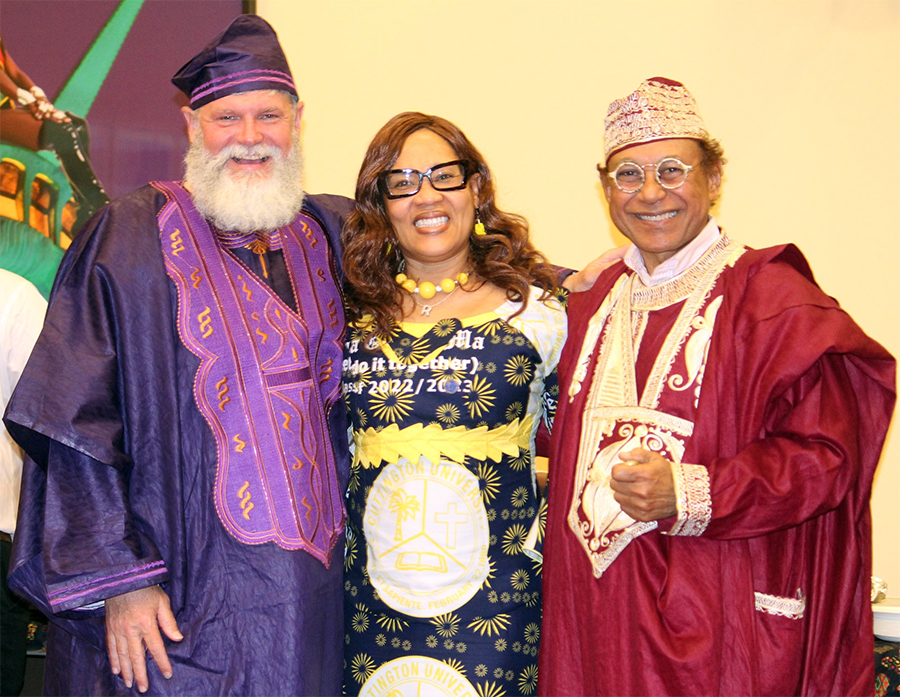
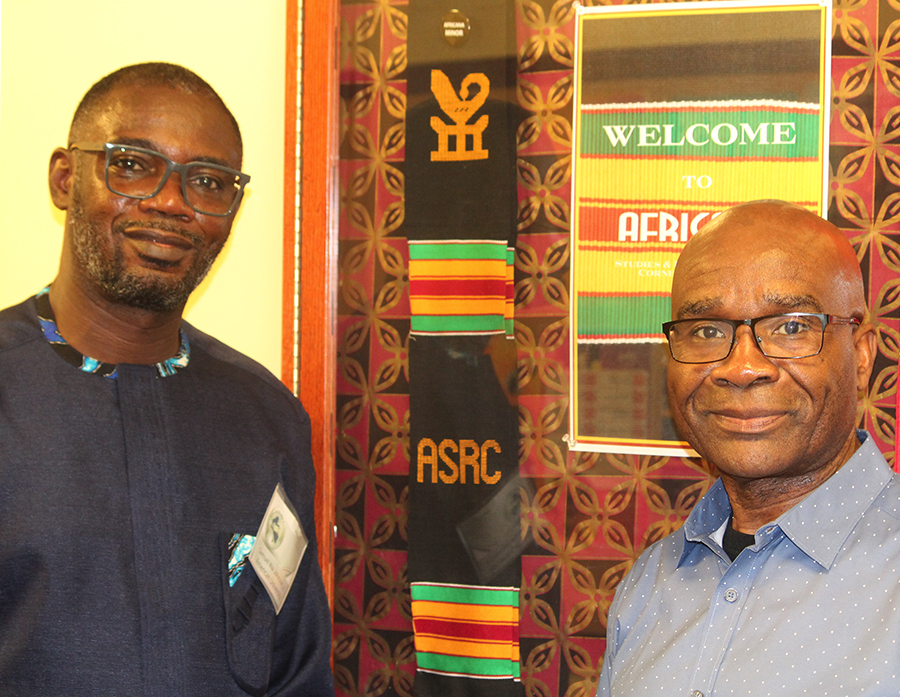


LSA Members Directory
Become a part of a dynamic community dedicated to advancing knowledge for service and development in Liberia
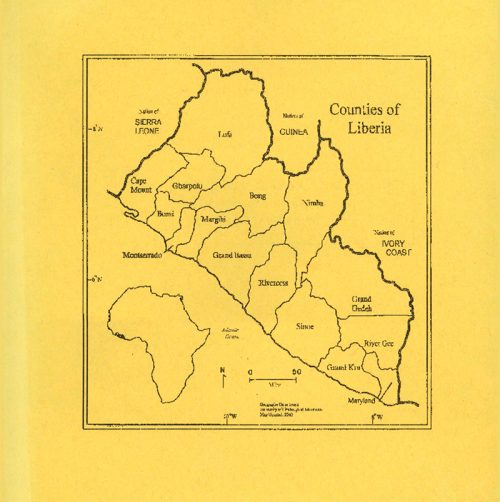
Liberian Studies Journal
The Liberian Studies Journal is a scholarly journal dedicated to the publication of original research on social, political, economic, scientific and other issues about Liberia, or with implications for, Liberia.
Manuscripts submitted for publication should not exceed 25 typewritten, double-spaced pages, with margins of one and a half inches. The page limit includes graphs, references, tables and appendices. Authors may, in addition to their manuscripts, submit an electronic version of their work preferably in MS Word or Word Perfect 8.0 (or higher) for Windows. Notes and references should be placed at the end of the text with heading. Notes, if any, should precede the references.